
Essential Fall Roof Inspections for Historic Homes in Southwest Missouri
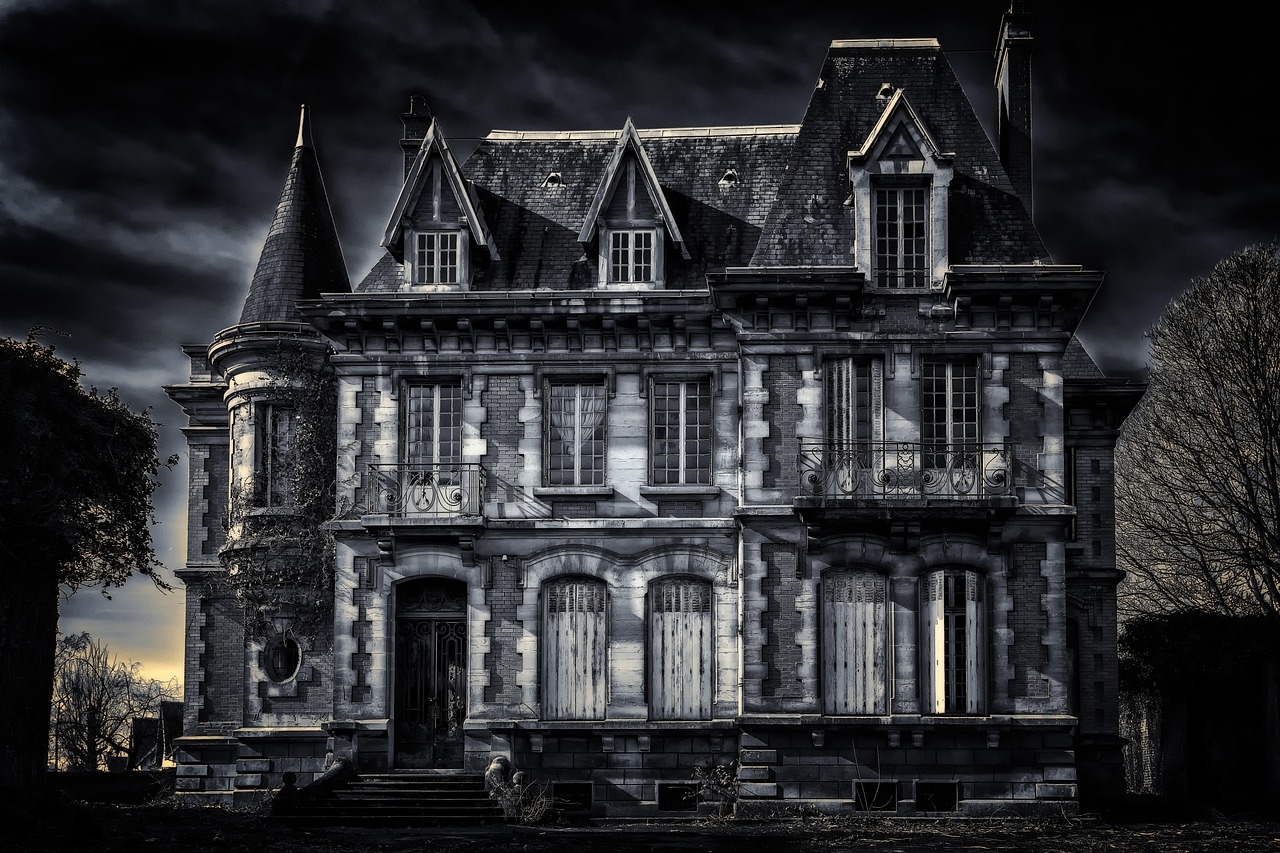
Performing fall roof inspections for historic homes in Missouri is crucial for preserving their unique roofing structures against seasonal wear.
Why Are Fall Roof Inspections Critical for Historic Homes?
Fall is the ideal time to inspect roofs, as temperatures in Southwest Missouri become milder, making it safer to work on your roof. Historic homes, like those found in Springfield or Nixa, often feature intricate architectural designs and may use materials like slate or wood shingles that are not common in newer constructions. These materials can react differently to the changing seasons, making a thorough inspection essential.
In Missouri, where the National Oceanic and Atmospheric Administration (NOAA) reports average October temperatures ranging from 54°F to 67°F, it’s crucial to assess the impact of fluctuating weather patterns. Furthermore, these homes may have older, more fragile construction that requires careful maintenance to prevent significant damage during the winter months.
Consider Branson’s historic districts, where homes often face increased wind and moisture during fall. By ensuring your roof is in top condition, you can prevent minor issues from escalating into costly repairs in the harsher months to come.
How to Conduct a Fall Roof Inspection for Historic Homes
Conducting a fall roof inspection in Southwest Missouri involves understanding the specific needs of historic homes. Here is a step-by-step guide to help you through the process:
-
Evaluate the Roof Surface: Start by examining the surface for missing, cracked, or displaced shingles. Historic materials like tiles or shakes may need special attention. In Christian County, particularly, where older homes feature unique roofing systems, damaged areas should be prioritized for repair.
-
Inspect Flashing and Seals: Check the flashing around chimneys, skylights, and vents. Historic homes in areas like Ozark might have custom flashing that requires specific maintenance due to weather-induced metal expansion and contraction.
-
Gutter Inspection: Clean and inspect gutters and downspouts. Given the considerable amount of foliage in Southwest Missouri, leaf buildup can lead to blockages. According to local government data, Greene County receives about 48 inches of rainfall annually, emphasizing how clean gutters are vital for water management.
-
Look for Leaks and Water Stains: Conduct an interior inspection for leaks and water stains, particularly in attics and upper floors. In Laclede County, for instance, where snowfall can be heavier, early leak detection is critical.
-
Check Roof Structure from Within: Examine the interior roof structure for signs of sagging or damage, which can indicate compromised structural integrity. This is a particular concern in older homes across Stone and Douglas counties.
What Are the Common Roofing Issues in Historic Missouri Homes?
Historic homes in Missouri often face distinct challenges when it comes to roofing. Understanding these issues can help you prepare for effective fall inspections.
-
Material Deterioration: Older roofing materials like wood, slate, and sometimes metal, are prone to deterioration. In Greene County, for example, temperature extremes between seasons can cause these materials to expand and contract, leading to crack formation.
-
Structural Shifting: Over time, foundations and structures can shift. This movement is reflected in the roof structure, potentially causing issues like leaks and misaligned components. In Lawrence County, where the terrain might contribute to such shifts, regular monitoring is advised.
-
Inconsistent Repairs: Different building codes and repair standards over the years mean repairs might not always align with the home’s original structure, particularly in places like Nixa and Springfield.
Why Is Professional Inspection Recommended?
While personal inspections are helpful, professional assessments bring a trained eye to potential issues unique to historic homes. Here’s why professionals are crucial:
-
Experience and Expertise: Our GAF Master Elite certified contractors understand the nuances of historic roofing materials and the specific weather conditions of Missouri cities like Branson and Ozark.
-
Advanced Equipment: Professionals use tools that make it easier to spot subsurface damage undetectable to the untrained eye.
-
Timely Repairs: A professional inspection ensures swift identification and resolution of issues, preventing costly damage from worsening. According to insurance industry reports, repairs addressed promptly can save up to 50% on costs associated with severe weather damage claims.
-
Compliance with Historic Preservation Standards: Professionals familiar with local historic preservation standards ensure that any repairs or maintenance abide by relevant regulations applicable in historic areas, such as those in Christian County.
FAQs
How often should historic roofs be inspected?
Historic roofs should ideally be inspected twice a year, in the spring and fall, to address any deterioration from seasonal changes.
Can I inspect my historic home’s roof myself?
While you can perform basic inspections, it’s recommended that historic roofs, particularly those with unique materials, be professionally inspected to identify issues not visible to the untrained eye.
What should I do if I find a leak in my historic home?
If you discover a leak, it’s important to address it immediately to prevent structural damage and mold growth. Contacting a professional service like Roov can provide a quick and effective solution roof repair.
Are certain roofing materials better for Missouri’s climate?
Materials like metal and high-quality asphalt shingles can perform well in the variable Missourian climate, providing durability against both extreme temperatures and moisture. However, historic homes may need specific materials that match their original construction.
Looking to ensure your historic home is ready for winter? Schedule a free inspection with us to catch potential issues early, securing your roof’s integrity and preserving its historical character for years to come roof inspections.