Maximizing Energy Efficiency with Attic Insulation: Tips for Summer in Missouri
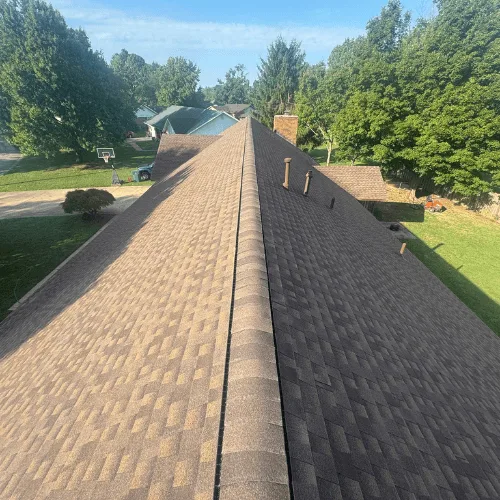
Attic insulation is crucial for improving your home’s energy efficiency during Missouri’s summer heat.
Why is attic insulation crucial for summer energy efficiency in Missouri?
In Missouri, where summer temperatures can average around 90°F (NOAA), effective attic insulation plays a vital role in maintaining a cool indoor climate and reducing energy consumption. When the sun beats down on your roof, the attic is the first area to absorb the heat. Without proper insulation, this heat penetrates your living spaces, increasing the workload on your air conditioning system and leading to higher energy bills. The right type of insulation acts as a barrier, keeping hot air out and cool air in, optimizing your home’s energy usage.
According to the U.S. Department of Energy, about 25% of a home’s heat loss is through the roof if it’s not adequately insulated. This statistic highlights the importance of solid insulation strategies, especially in places like Christian County and Greene County, where the summer heat can be particularly intense.
What types of attic insulation are best for Missouri homes?
Choosing the right attic insulation for your Missouri home can significantly impact comfort and energy efficiency. The most common options include fiberglass batts, blown-in cellulose, and spray foam insulation.
-
Fiberglass Batts: These are pre-cut panels of insulation that fit snugly between your attic floor joists. Ideal for straightforward installations, fiberglass batts are cost-effective and widely available.
-
Blown-In Cellulose: Made from recycled newsprint, cellulose insulation is environmentally friendly and offers a higher R-value per inch compared to fiberglass, meaning it provides better insulation efficiency. This option is beneficial for attics with irregular spaces.
-
Spray Foam Insulation: This provides the highest R-value per inch and expands to fill all gaps and voids in the attic. Although more expensive, spray foam offers superior insulation and can seal air leaks effectively.
The choice of insulation may also depend on specific regional considerations. For example, a homeowner in Taney County may prioritize different insulation materials due to variations in local climate influences and home architecture.
How can you assess your attic insulation needs?
Assessing your attic insulation needs involves a few straightforward steps:
-
Conduct an Inspection: Schedule a professional roof or attic inspection roof inspections to evaluate the current insulation status. Areas like Nixa and Laclede County may have specific weather challenges that dictate unique insulation needs.
-
Measure Insulation Levels: Check the thickness and distribution of existing insulation. Recommendations by ENERGY STAR suggest a minimum of R-38, or about 10 to 14 inches of insulation for optimal performance in Missouri homes.
-
Identify Leaks and Drafts: Use a thermal camera or a handheld infrared thermometer during your assessment to identify any hot spots or air leaks in your attic.
-
Plan for Upgrades: Based on the assessment, plan upgrades as needed to ensure you meet or exceed regional insulation guidelines. County-specific building codes could also influence how insulation upgrades are carried out.
How does proper attic ventilation enhance insulation effectiveness?
Ventilation is key to maximizing the effectiveness of your attic insulation. Proper attic ventilation helps to regulate temperatures within your attic, preventing heat buildup which could degrade insulation performance.
-
Soffit Vents: Located under the eaves, these allow cooler air to enter the attic, pushing out hot air through vents at the roof’s peak. This natural airflow is crucial for maintaining a balanced attic temperature.
-
Ridge Vents: Installed at the peak of a sloped roof, ridge vents facilitate the escape of hot air from the attic. This consistent airflow reduces the pressure on insulation systems by keeping the attic space cooler.
-
Box or Gable Vents: Often used when more ventilation is needed, these are installed on the roof surface or on the side walls of the attic, supporting additional air circulation.
For homes in Lawson and other parts of Missouri, where summer can stretch the limits of energy systems, ensuring proper ventilation can make a significant difference in both comfort and utility costs.
How can you improve energy efficiency through attic insulation upgrades?
Efficiency upgrades can offer substantial summer comfort and savings if your attic insulation is outdated or insufficient. Here’s how you can proceed:
-
Seal Air Leaks: Before adding new insulation, seal any air leaks to prevent cooled air from escaping. Use caulk or weatherstripping around fixtures, ductwork, and attic access points.
-
Increase Insulation Thickness: Additional layers of insulation should match the recommended R-values for Missouri’s climate conditions to enhance resistance to heat transfer.
-
Choose Energy-Efficient Materials: Opt for materials with higher R-values and those that reflect radiant heat, such as radiant barriers.
-
Hire a Professional Insulation Contractor: Experts can ensure that the insulation is installed correctly and performs adequately under Missouri’s specific weather conditions. Roov’s certified team can help homeowners in Springfield and beyond identify and install the best insulation solutions contact us.
What are the cost savings of effective attic insulation in Missouri?
The cost savings from effective attic insulation can be significant. According to the EPA, homeowners can save an average of 15% on heating and cooling costs by ensuring their home is adequately insulated. This is particularly impactful in regions like Greene County and Stone County, where summer utility bills can escalate due to prolonged heatwaves.
Moreover, properly insulated homes maintain their energy efficiency throughout the year, supporting both summer cooling and winter heating needs, providing a return on investment beyond initial installation.
FAQ
How often should attic insulation be replaced?
Typically, attic insulation can last between 15 to 20 years. However, homes in areas with extreme weather conditions, such as those in Polk County, might experience quicker degradation and should be inspected every few years.
Is it necessary to remove old insulation before adding new layers?
Not always. It depends on the condition of the existing insulation. If it’s damp or moldy, it should be removed. Otherwise, additional layers can be added on top, which is often more cost-effective in areas like Douglas County.
How does attic insulation affect summer humidity levels?
Proper attic insulation can help manage indoor humidity levels by preventing humid air from entering the home and keeping conditioned air consistent, particularly in areas like Webster County where humidity can intensify the summer heat.
Can DIY insulation improve energy efficiency?
DIY insulation is possible but not always advisable, especially in complex installations requiring expert sealing and assessing for moisture issues. Professional installations, particularly in areas with specific weather considerations like Missouri, often yield better results.
Considering maximizing your home’s energy efficiency with optimal attic insulation? Schedule a free inspection with Roov to evaluate and enhance your insulation system this summer roof inspections. We offer specialized services tailored for the specific climate challenges across Missouri to ensure your home remains comfortable and cost-effective year-round.